
Every week, somewhere in Kenya, a business owner makes the same decision.
They need a logo. They find someone offering one quickly and cheaply. The logo arrives in 24 hours. It looks okay. They move on.
Six months later, they’re back looking for a redesign. The logo doesn’t work on a dark background. It looks blurry on print materials. It’s almost identical to a competitor’s mark. Or it simply doesn’t reflect where the business has grown to.
The cheap logo wasn’t cheap at all. It just spread its cost over time.
Why Low-Cost Logos Cost More in the Long Run
There’s nothing wrong with being budget-conscious, especially when you’re building a business from the ground up. The problem isn’t spending less. The problem is not understanding what you’re actually buying.
A cheap logo is typically a fast logo. Fast means shortcuts. And shortcuts in branding tend to show up in specific, costly ways:
It wasn’t designed for your business. Many low-cost logos are stock icons with your business name dropped beneath them. They weren’t built around your industry, your audience, or your positioning. They were built to look like a logo, not to function as one.
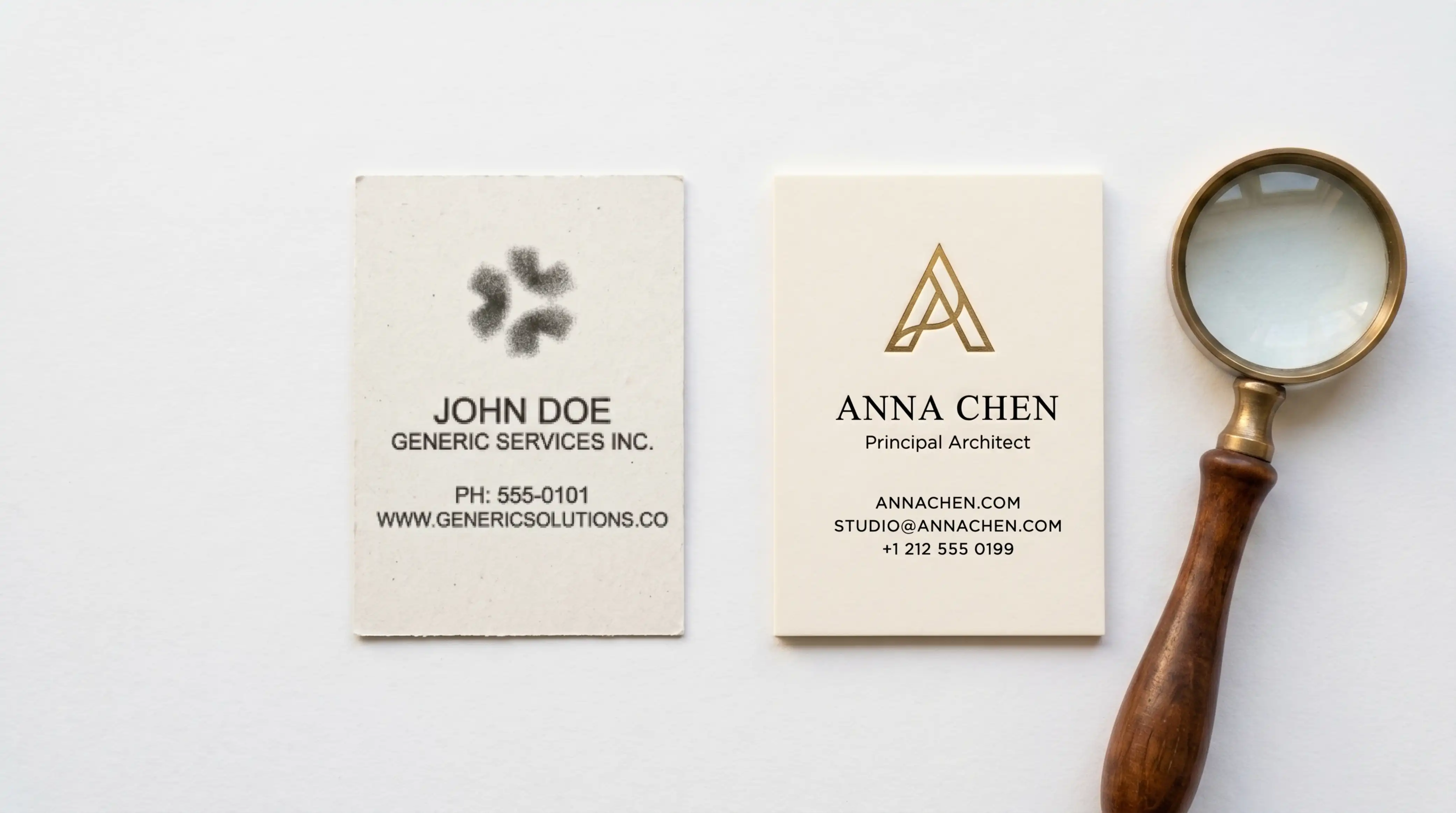
It doesn’t work across formats. A professional logo is designed to work at every size and on every background: a business card, a billboard, a website favicon, a branded mug. Cheap logos often fall apart the moment they leave the screen on which they were designed.
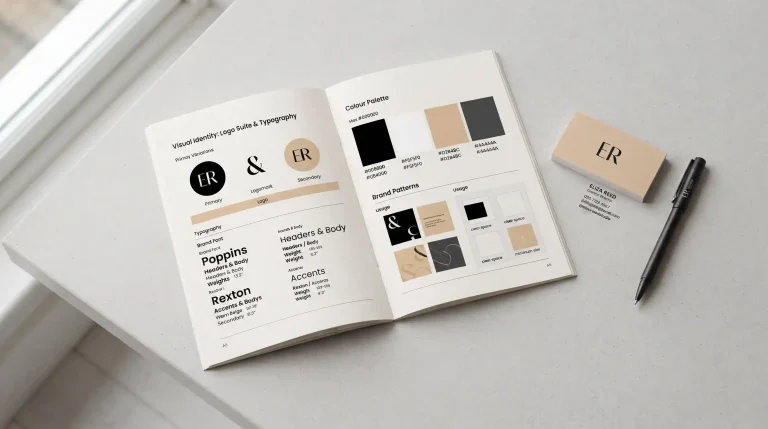
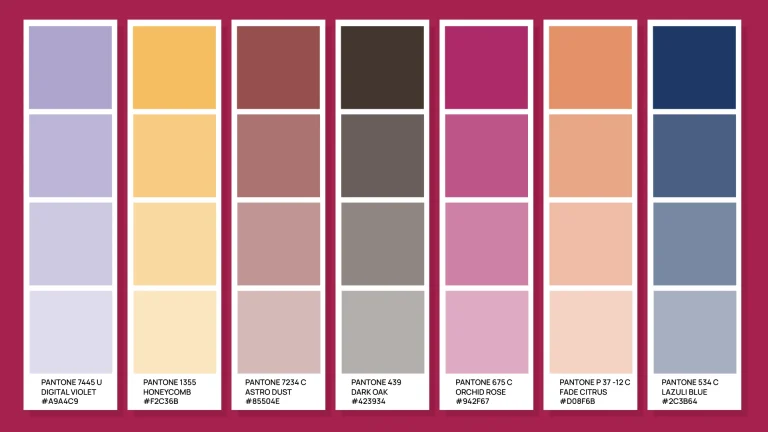
It has no supporting system. A logo without brand colours, typography, and usage guidelines is like a key without a lock. It exists, but it can’t do its full job. Without a system, every person who uses your logo interprets it differently and your brand looks inconsistent before you’ve even launched properly.
It may not be legally yours. Some logos are generated using templates or stock assets that aren’t exclusively licensed. This means another business could be using the same mark, and in some cases, you may not own the rights to the design at all.
What You’re Actually Paying For
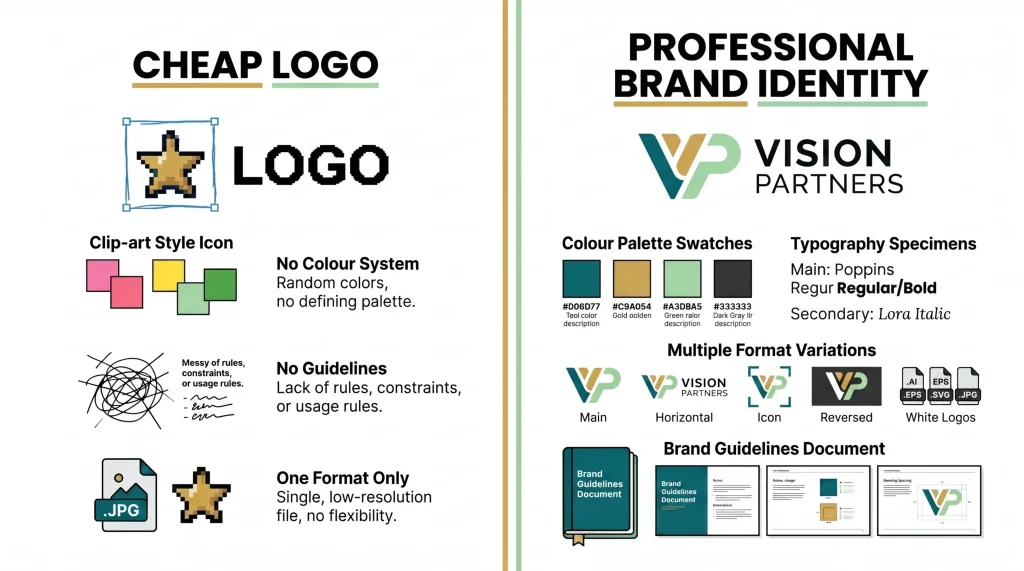
When you invest in professional branding, you’re not paying for a pretty picture. You’re paying for a strategic process.
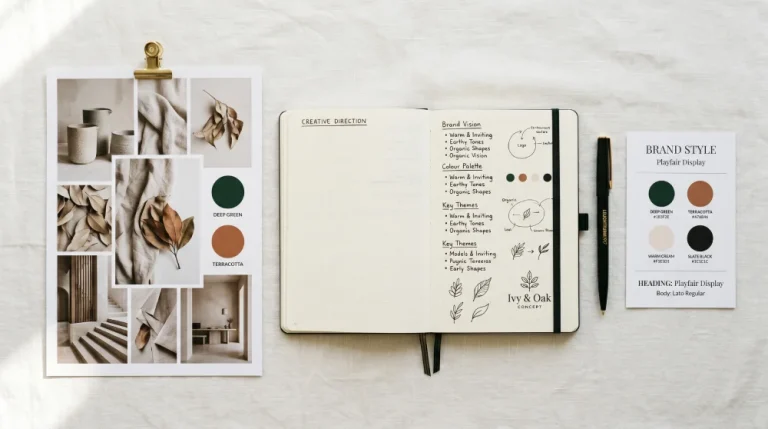
A professional designer or agency starts by understanding your business, your audience, your competitors, your values, and your goals. That research informs every creative decision. The colours chosen aren’t random. The typeface isn’t an afterthought. The mark is built to communicate who you are and who you serve.
A professionally designed logo comes in multiple formats: vector files that can scale to any size without losing quality, versions for light and dark backgrounds, and brand guidelines on how to use it correctly.
And you’re paying for longevity. A well-designed brand identity doesn’t need to be redone every two years. The longer it stays consistent, the stronger your recognition becomes.
The Signs You’ve Outgrown Your Current Branding
Not every business needs to start with a premium brand identity. But there are clear signals that your current branding is holding you back:
- You feel embarrassed sharing your business card or website with certain clients.
- You’re losing proposals to competitors whose work isn’t necessarily better but whose brand looks more established.
- Your social media looks different every week because you don’t follow any brand guidelines.
- You’ve rebranded once already and still aren’t happy.
- Your business has grown significantly, but your brand still looks like it did when you started.
If any of those resonate, your branding is no longer an asset. It’s a liability.
How to Think About Branding as an Investment
The most useful reframe is this: don’t ask “how much does a logo cost?” Ask “what is a strong brand worth to my business?”
A brand that communicates its value clearly attracts the right clients. It justifies premium pricing. It fosters trust before a single conversation takes place. It works for you on your website, your social media, your packaging, and your proposals 24 hours a day.
Businesses that invest in branding early tend to spend less over time because they’re not constantly patching, redesigning, and starting over. They build once, build well, and let consistency do the heavy lifting.
That’s not an argument for overspending. It’s an argument for spending intentionally, understanding what you need, what it takes to do it properly, and finding a partner who can deliver it at a standard that will serve your business for years.
What to Look for in a Branding Partner
Before you invest in any branding work, ask these questions:
Do they have a process? Professional branding isn’t just design; it’s research, strategy, and execution. If a designer can’t explain their process, they probably don’t have one.
Can they show relevant work? Ask to see examples from similar industries or audiences. A portfolio tells you far more than a price list.
What do you actually receive? A professional deliverable includes source files, brand guidelines, and multiple logo variations, not just a JPEG sent over WhatsApp.
Do they ask about your business? A designer who doesn’t ask questions before designing doesn’t understand that branding is strategy first, aesthetics second.
Final Thoughts
A cheap logo isn’t always a bad logo. But it’s rarely a brand that lasts.
The businesses that stand out in Kenya’s increasingly competitive market aren’t the ones with the best products or services. They’re the ones that communicate their value clearly, consistently, and professionally at every touchpoint. That is what branding should do.
Your brand is often the first impression a potential client has of your business. Make sure it’s telling the right story.
Ready to invest in branding that works as hard as you do? At Break Concepts, every project starts with strategy, not just design. Let’s talk.