
You’ve decided to invest in design. Maybe it’s a new logo, a brand refresh, a website, or social media visuals. You’ve found a designer you trust. You’re excited.
And then they ask: “Can you send me a brief?”
Silence.
Most clients have never written a design brief before. And most designers never explain what a good one looks like. The result is frustrating for everyone: vague feedback, endless revisions, and a final product that feels slightly off, but nobody can explain why.
It doesn’t have to be that way.
Here’s exactly what goes into a great design brief and why getting this right upfront saves you time, money, and a lot of back and forth.
What Is a Design Brief?
A design brief is a document that gives your designer everything they need to understand your business, your audience, and what you want the final design to achieve.
Think of it as a map. The designer is making the journey, but you decide the destination.
A good brief doesn’t need to be long. It needs to be clear.
What a Great Brief Includes
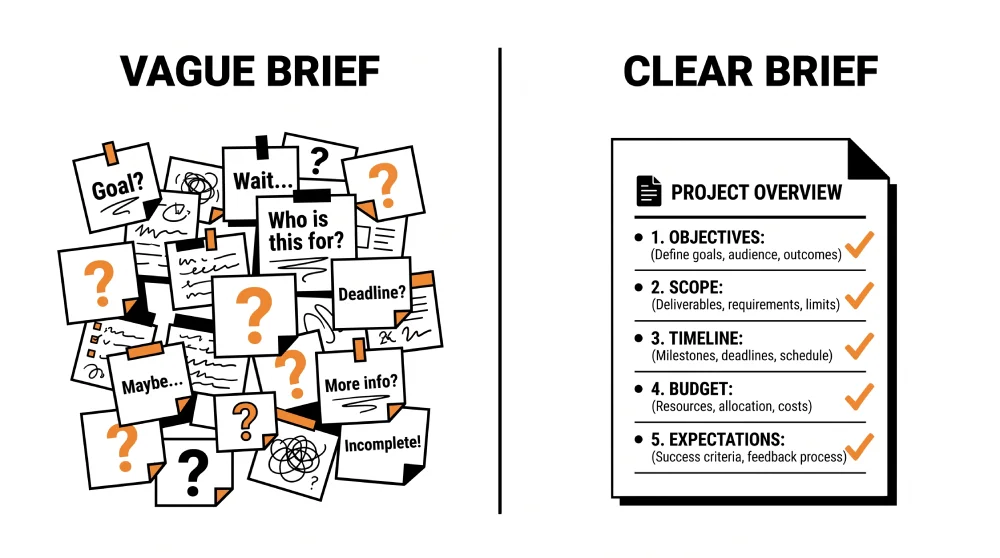
Here are the key elements every design brief should cover:
1. About Your Business
A short description of what you do, who you serve, and what makes you different. Don’t assume the designer knows your industry; explain it in plain language.
2. The Project
What exactly do you need designed? A logo? A full brand identity? A website? Social media templates? Be specific about the deliverables you expect at the end.
3. Your Target Audience
Who is this design for? Describe your ideal customer: their age, lifestyle, values, and what matters to them. A brand targeting corporate professionals needs a very different visual language than one targeting young creatives.
4. Your Brand Personality
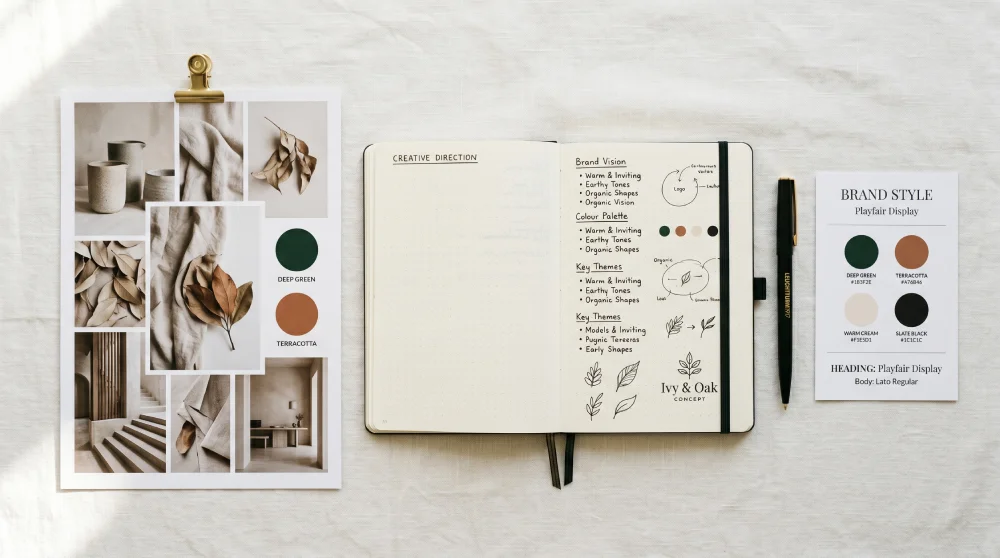
How do you want your brand to feel? Pick 3–5 words that describe the personality you’re going for. Bold. Trustworthy. Playful. Premium. Warm. Innovative. These words guide every design decision.
5. Likes and Dislikes
Share examples of designs you love and designs you hate. This is one of the most useful things you can give a designer. It removes guesswork and aligns visual expectations before a single sketch is made.
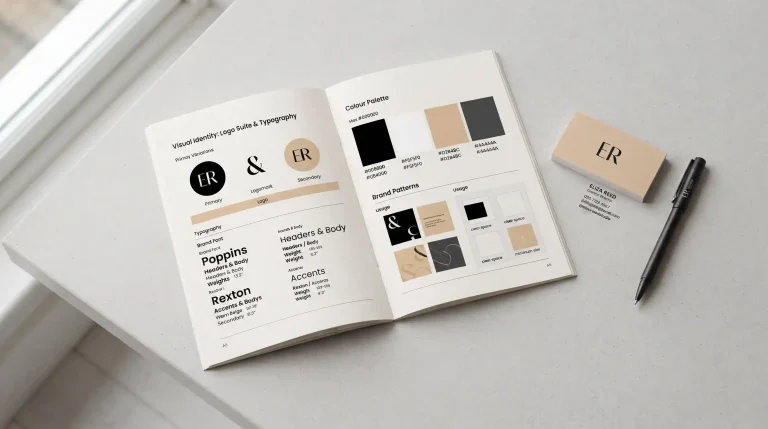
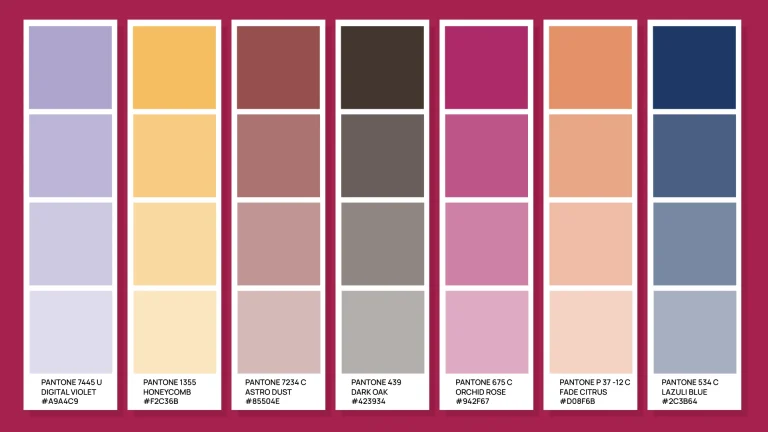
6. Colours and Fonts
If you already have brand colours or fonts, share them. If you don’t, describe the feeling you want: warm and earthy, clean and minimal, bold and energetic. Even a rough direction helps.
7. Where the Design Will Be Used
Will the logo appear on a billboard or just on Instagram? Will the website need to work on mobile? Will the visuals be printed or digital only? This affects every technical decision the designer makes.
8. Timeline and Budget
Be honest about both. A realistic timeline produces better work. And sharing your budget isn’t a weakness — it helps the designer propose a scope that’s actually achievable within your means.
The Most Common Briefing Mistakes
Even well-meaning clients make these errors:
“I’ll know it when I see it.”
This is the most expensive sentence in design. If you can’t describe what you want, the designer can’t deliver it. Take time to articulate your expectations before the project starts.
Too many decision makers.
When five people are giving feedback, the designer gets five different opinions. Decide who has final say before the project begins and stick to it.
Changing the brief mid-project.
If your direction shifts significantly after the project has started, expect additional time and cost. Major changes mid-project undo work already done.
Referencing competitors without context.
Saying “make it like Company X” without explaining why can lead the designer in the wrong direction. Instead, say “I like how Company X feels premium and trustworthy. I want something that achieves that same feeling but is distinctly ours.”
Why This Makes Everything Better
A clear brief doesn’t just help the designer; it helps you.
Writing a brief forces you to think deeply about your business, your audience, and your goals. Many clients tell us that the briefing process itself brought clarity they didn’t have before. They came in thinking they needed a logo and left, realising they needed a full brand identity.
The quality of your design output is directly proportional to the quality of your brief. Great designers can do extraordinary things but only when they understand exactly what extraordinary means to you.
At Break Concepts, every project starts with a thorough briefing session. We ask questions, listen carefully, and help you articulate what you’re looking for even when you’re not sure how to put it into words.
Because the best design work doesn’t start at the drawing board.
It starts with a conversation.
Final Thoughts
A design brief is one of the most valuable things you can invest time in before starting any creative project. It aligns expectations, reduces revisions, and gives your designer the clarity they need to do their best work.
Whether you’re working with Break Concepts or any other designer, come prepared. Know your audience, know your personality, know your examples, and the rest of the process becomes significantly smoother.
Ready to start a branding or design project? We’ll walk you through the brief together. Let’s talk.